
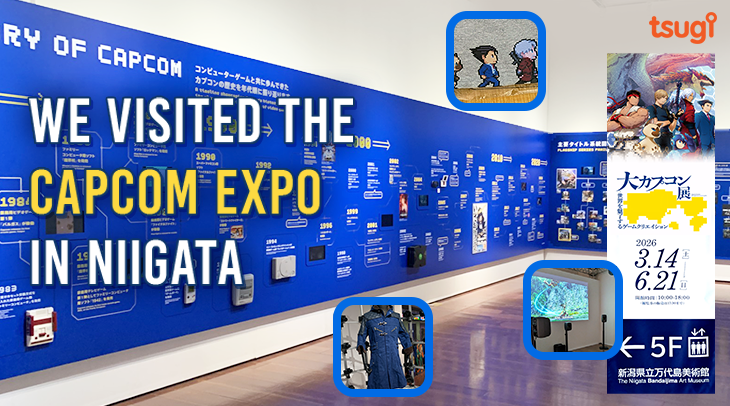
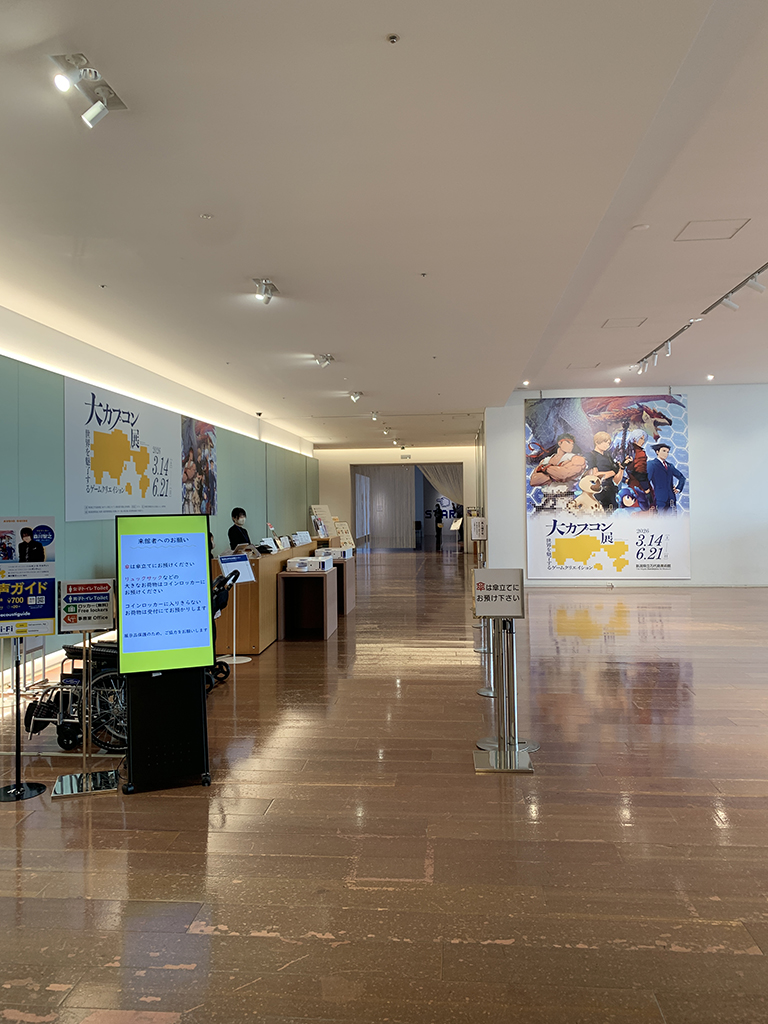
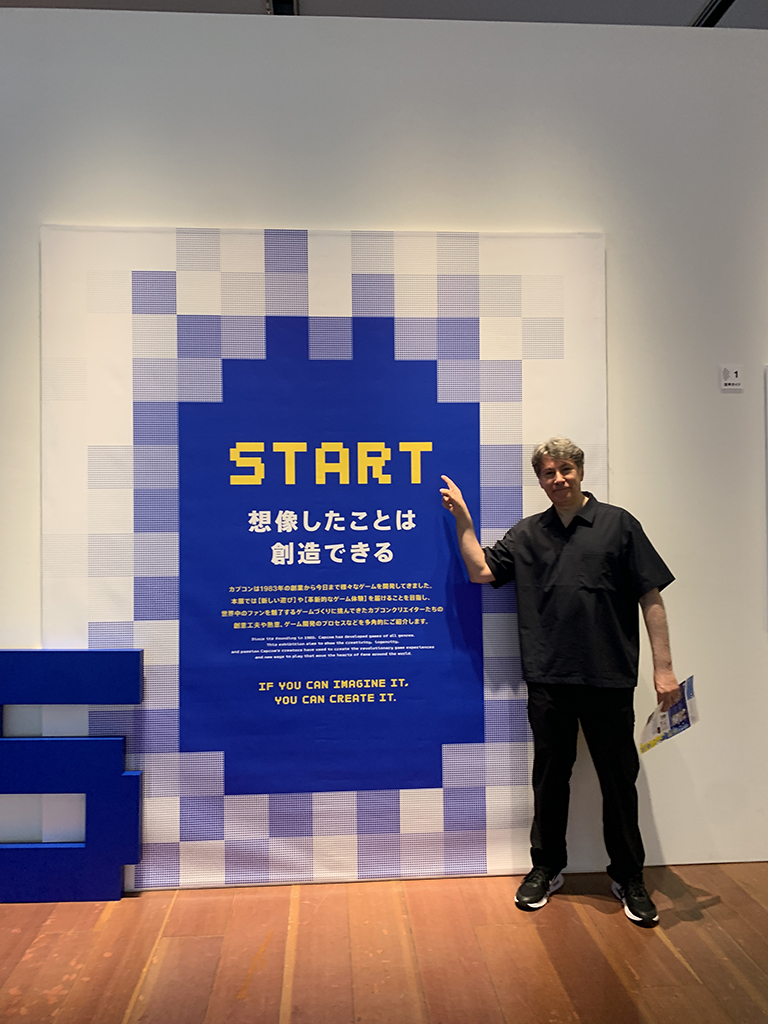
The travelling CAPCOM expo, Dai Capcom Ten, has reached our city of Niigata! (It was also hosted in Tokyo, Osaka, Nagoya and Tottori and will go to Shiga next winter).
We had the chance to visit the exhibition when no one was around, allowing us to spend as much time as needed to absorb the history of this legendary game company, delve into new technologies, and marvel at the fascinating drawings and design documents on display.
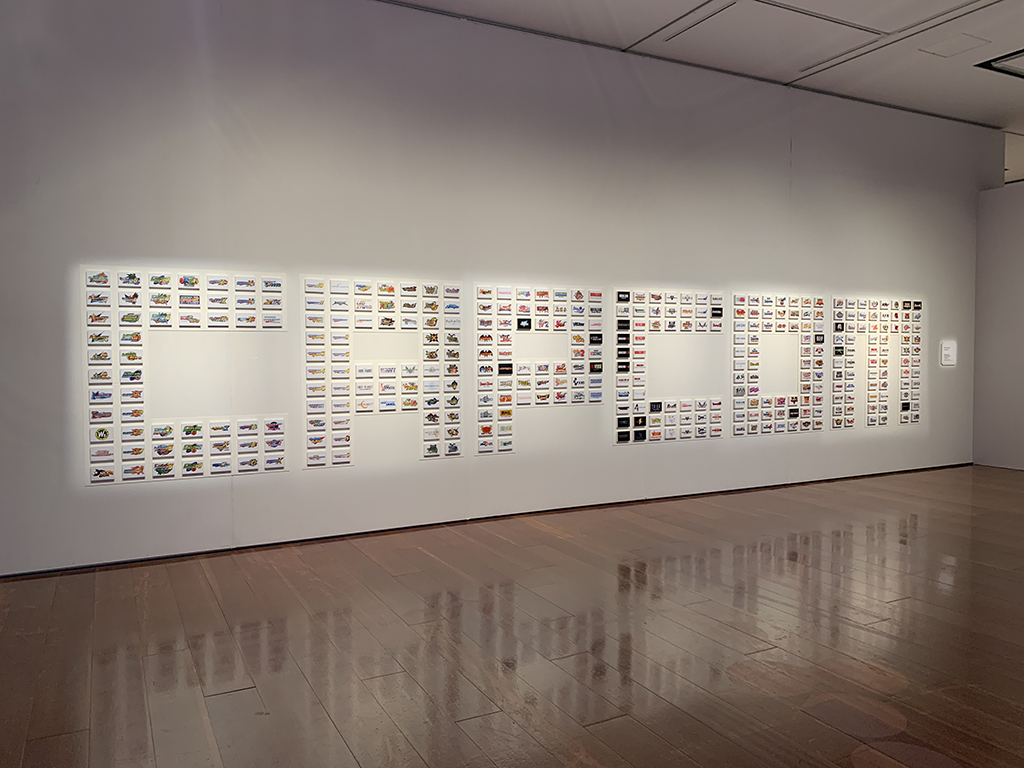
The exhibition was fittingly divided into rounds, with the first one dedicated to the history of Capcom. Giant murals retraced the chronology of the game releases, with rooms filled with original box art drawings and promotional posters of iconic games from each era (and some amazing figurines!). Special mention to the giant CAPCOM logo that took up an entire wall and was made of a mosaic of CAPCOM titles!
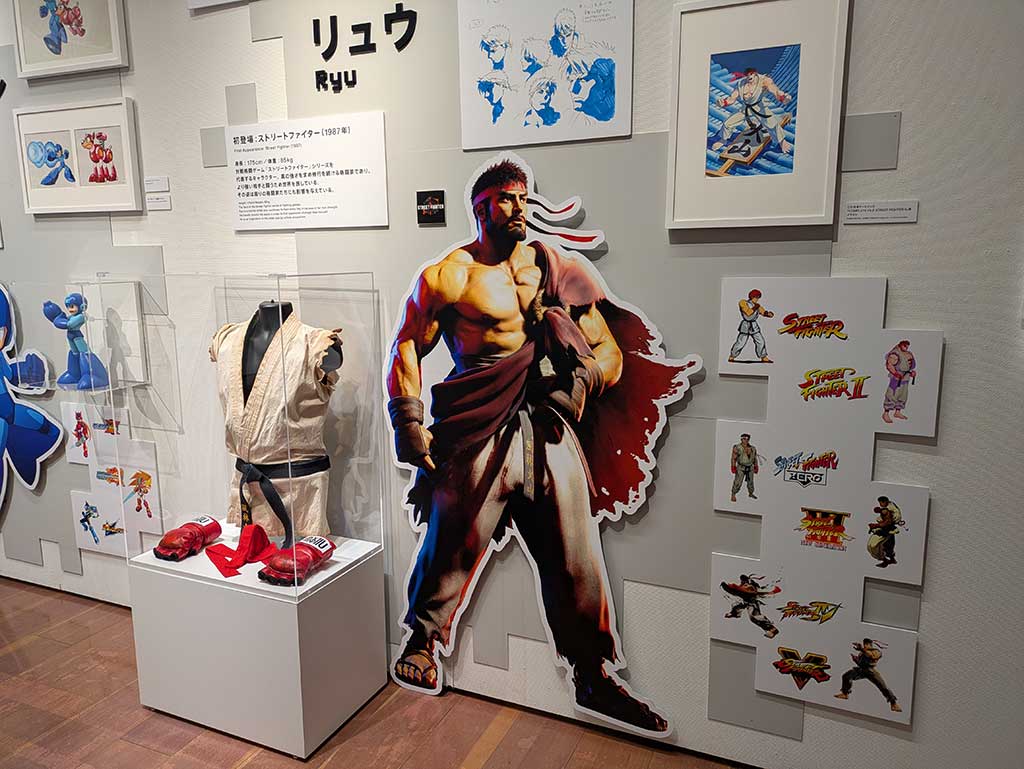
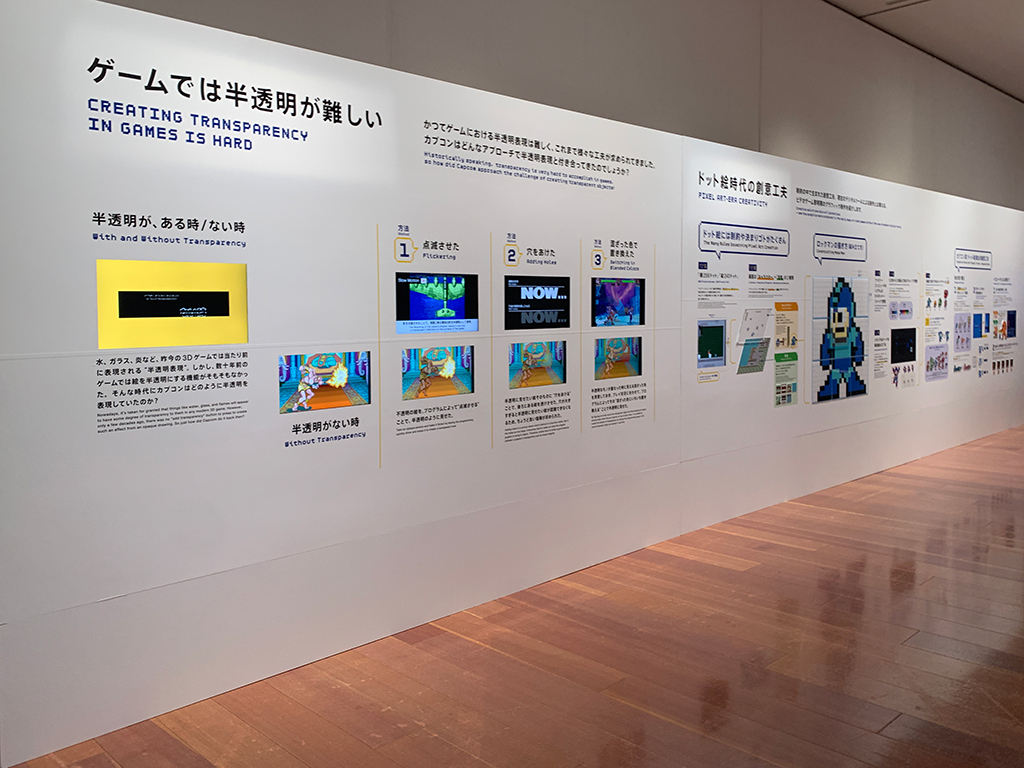
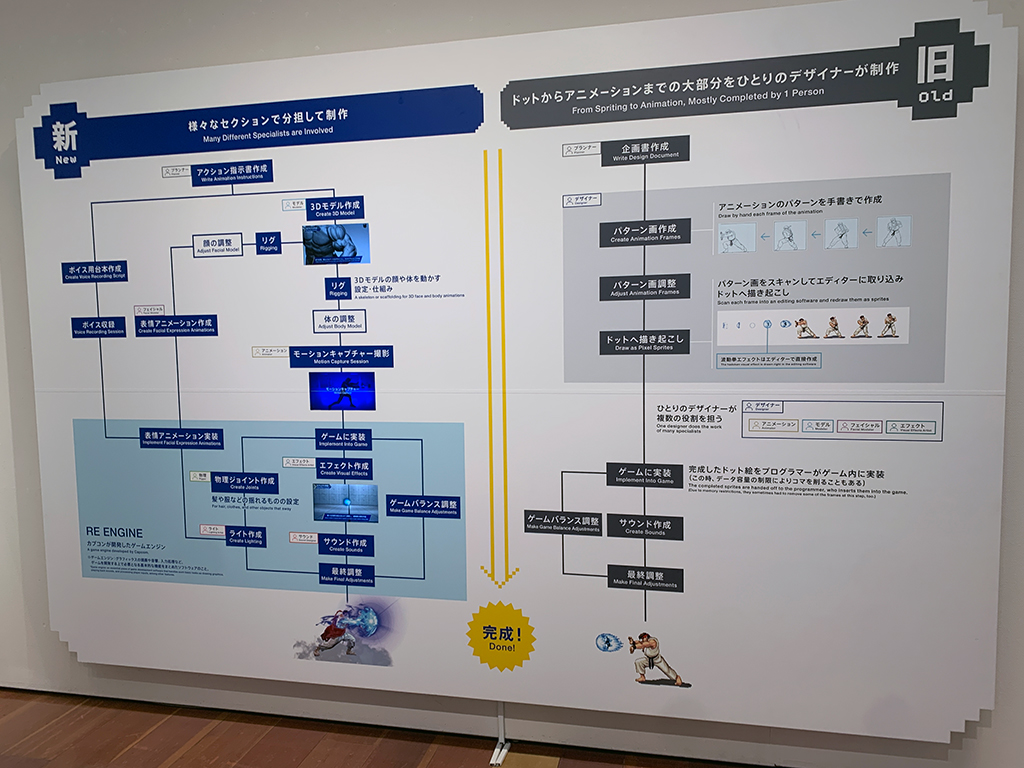
Round 2 of the exhibition depicted the evolution of game development. Old and new techniques were juxtaposed: character animation, for instance, going from painstakingly hand-drawn sprite sheets to the motion capture used in CAPCOM’s more recent RE Engine.
Tricks from another era were revealed, such as the different ways transparency was simulated in older games (either by flickering an opaque picture, adding holes to the top picture, or creating special assets with blended colors).
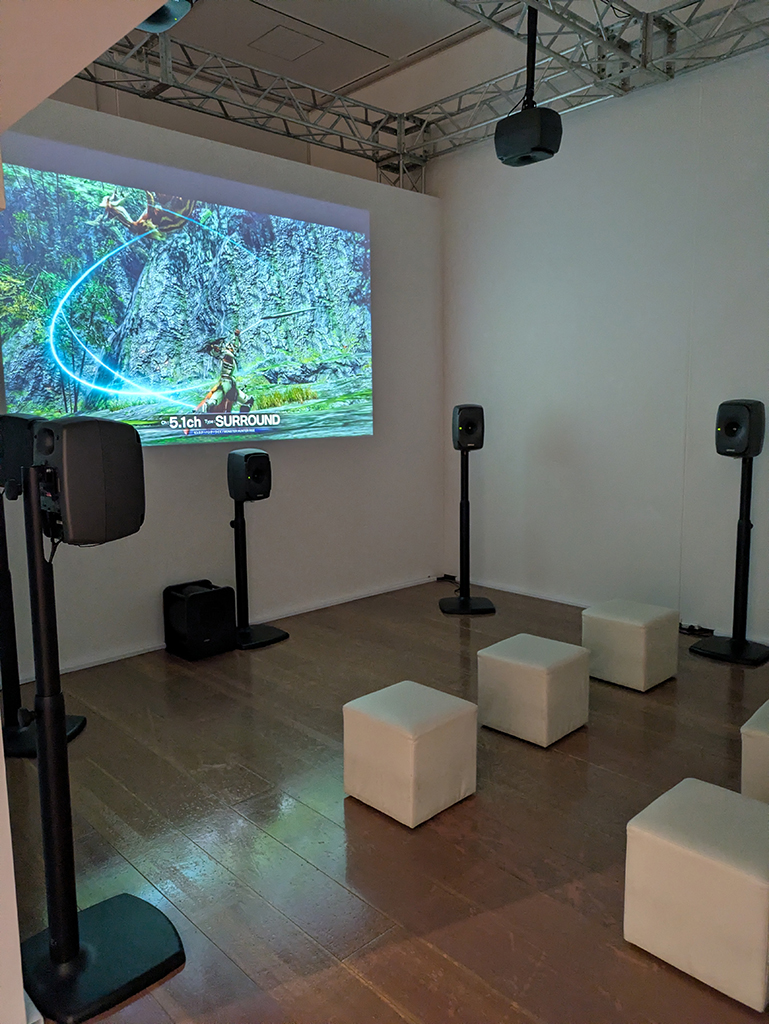
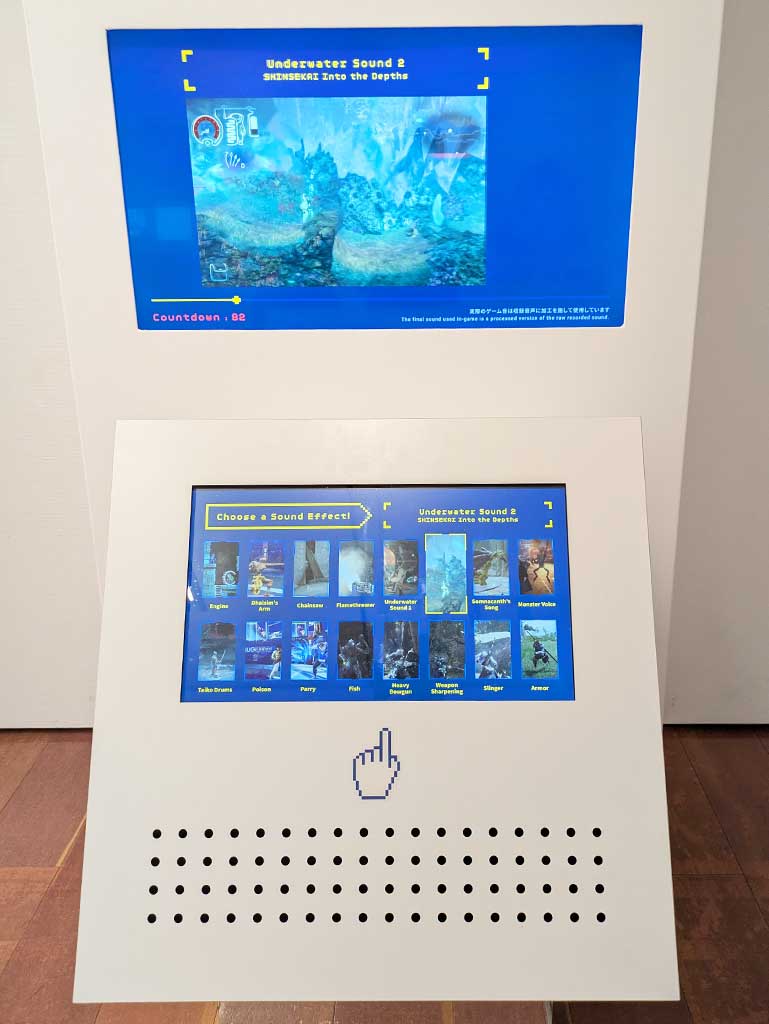
On the audio side, a sound theater showcased the evolution of game audio from old-school 8-bit mono all the way to surround 7.1.4. Interactive kiosks let the visitors select typical game scenes and then proceeded to show the Foley techniques used in the studio to recreate the sound effects. It was especially interesting for our team as we work in game audio, and there were a few surprises!
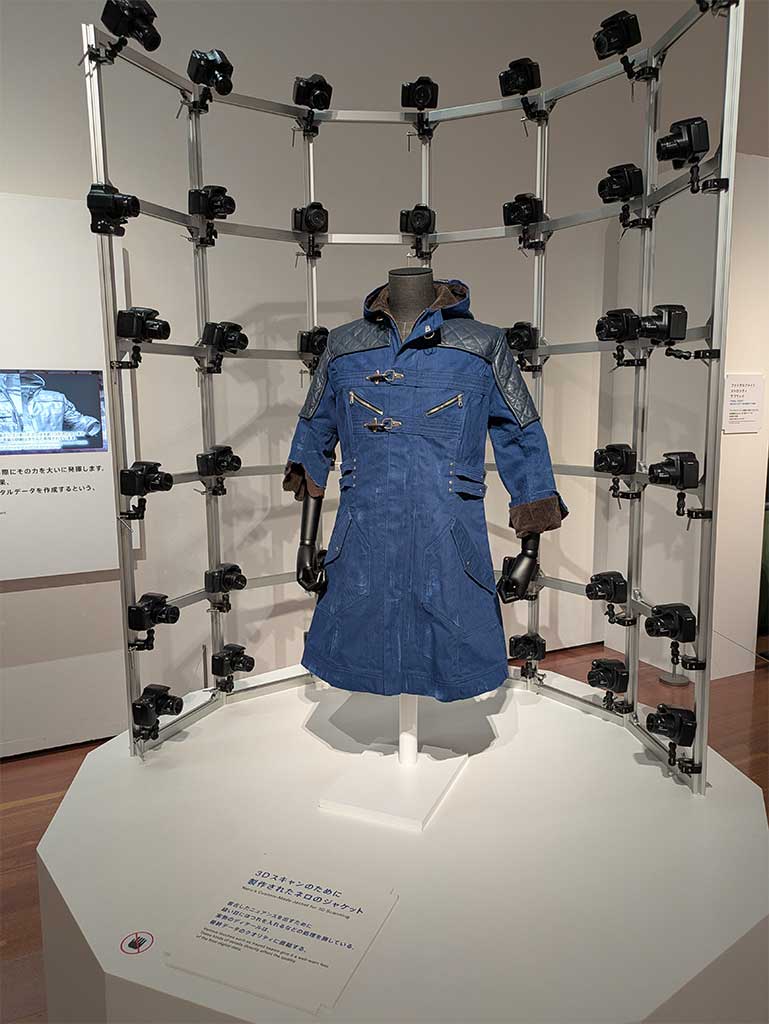
Round 3 was about the latest cutting-edge technologies used in modern games. Projection mapping was performed on a life-size Chun-Li to explain the different steps of the creation of a 3D character with meshes, texturing, etc…

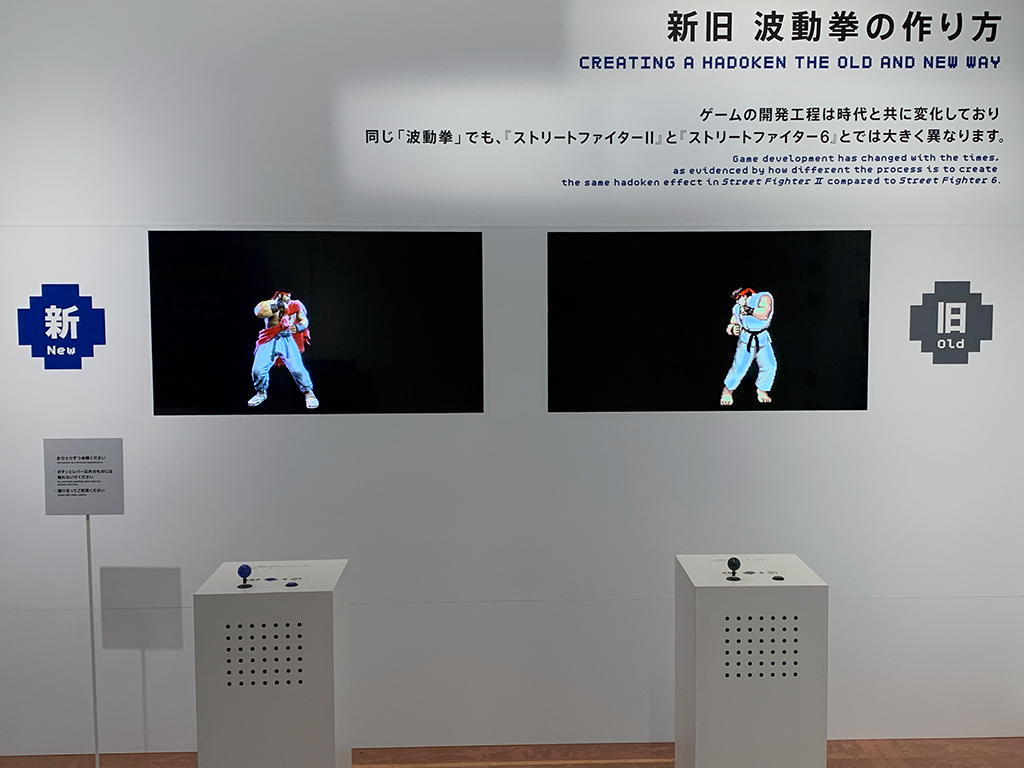
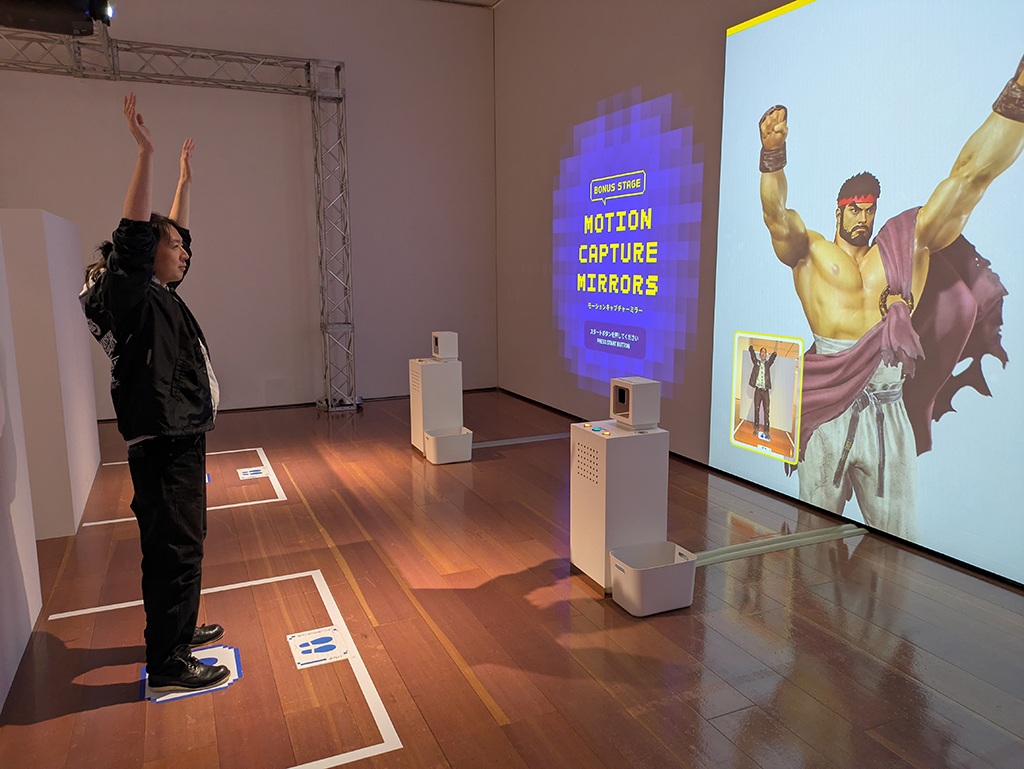
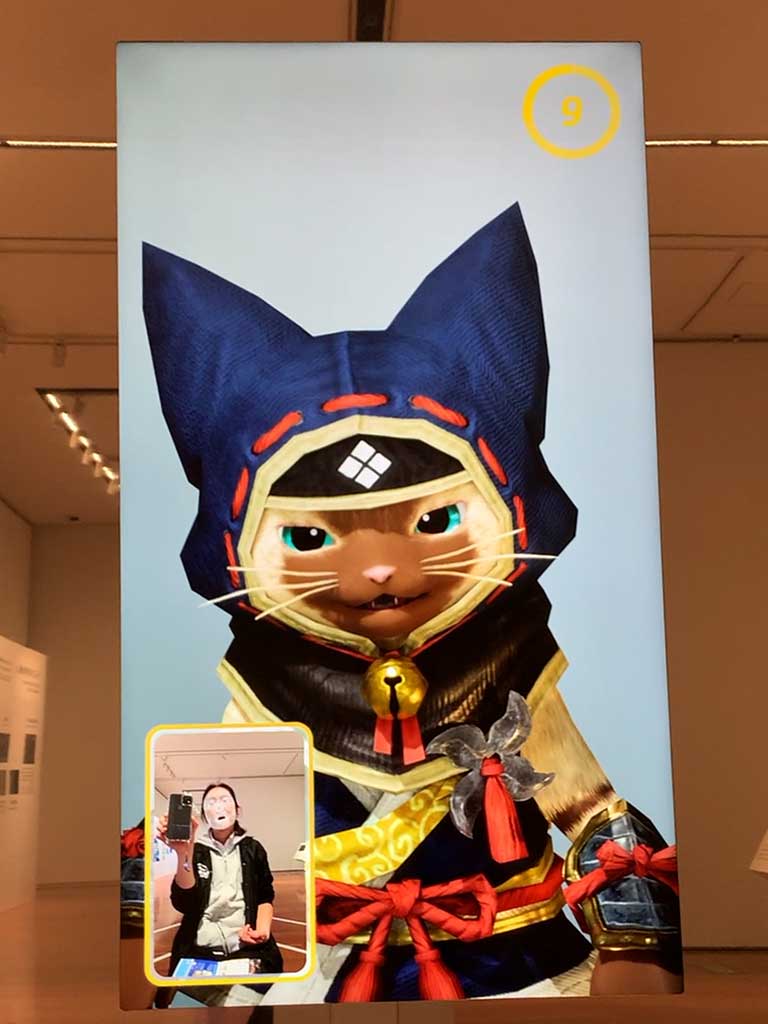
Interactive installations allowed visitors to apply their facial expression to their favorite characters, to experience movement tracking in real-time, and even to practice the Hadouken as Ryu!
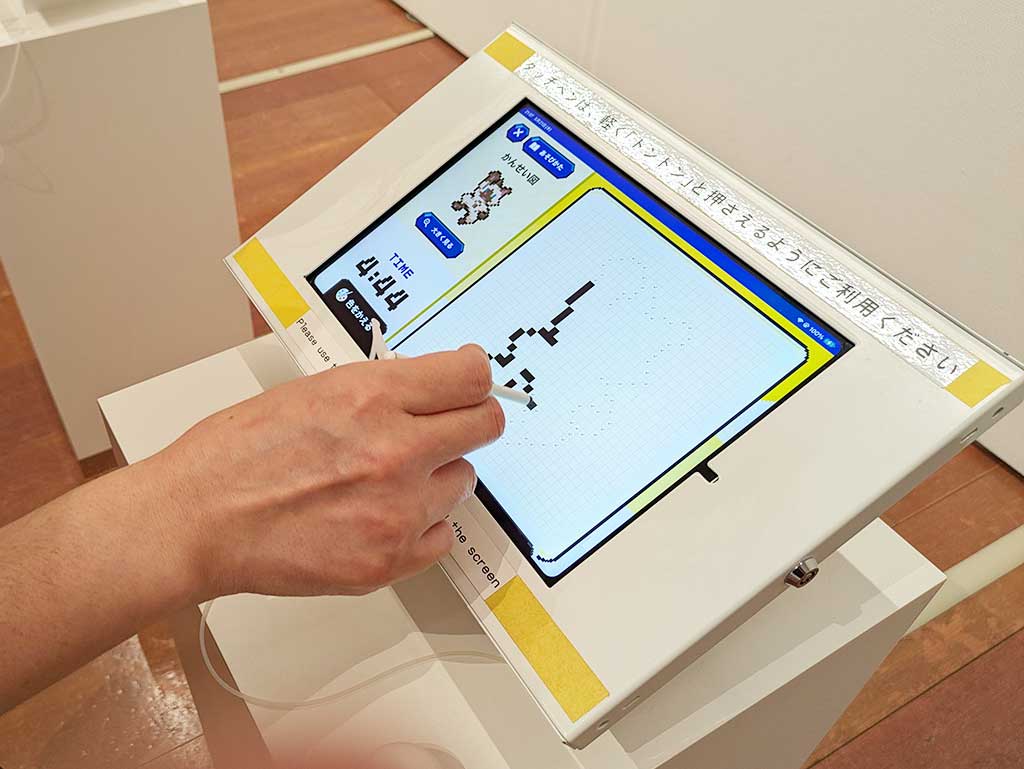
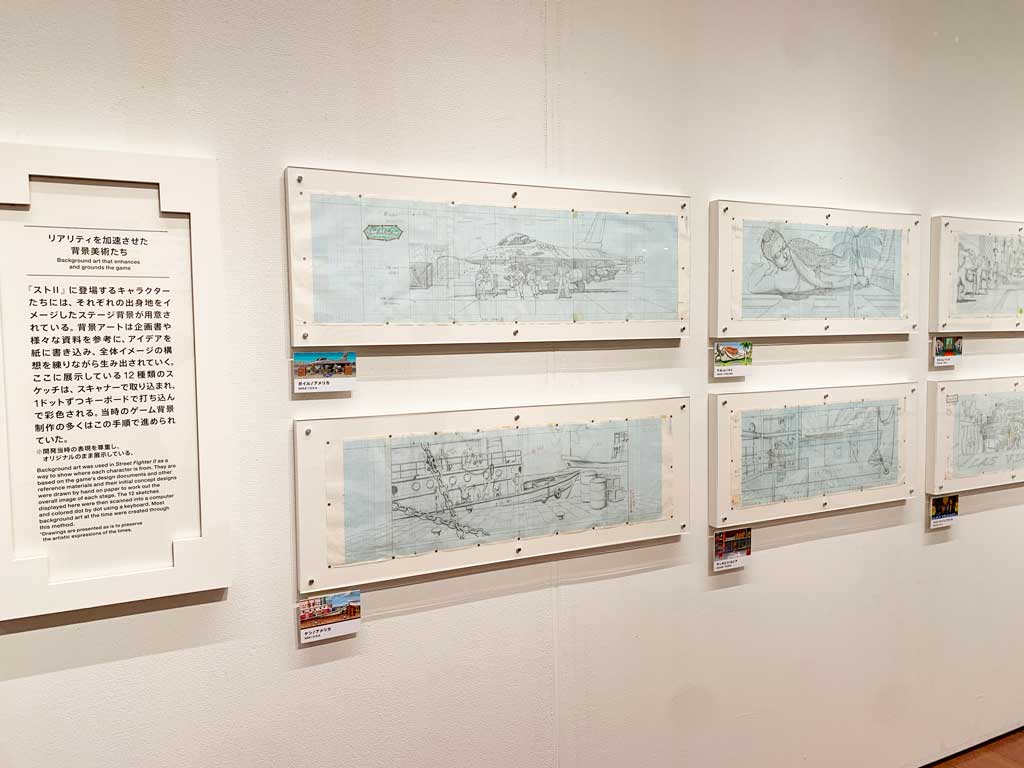
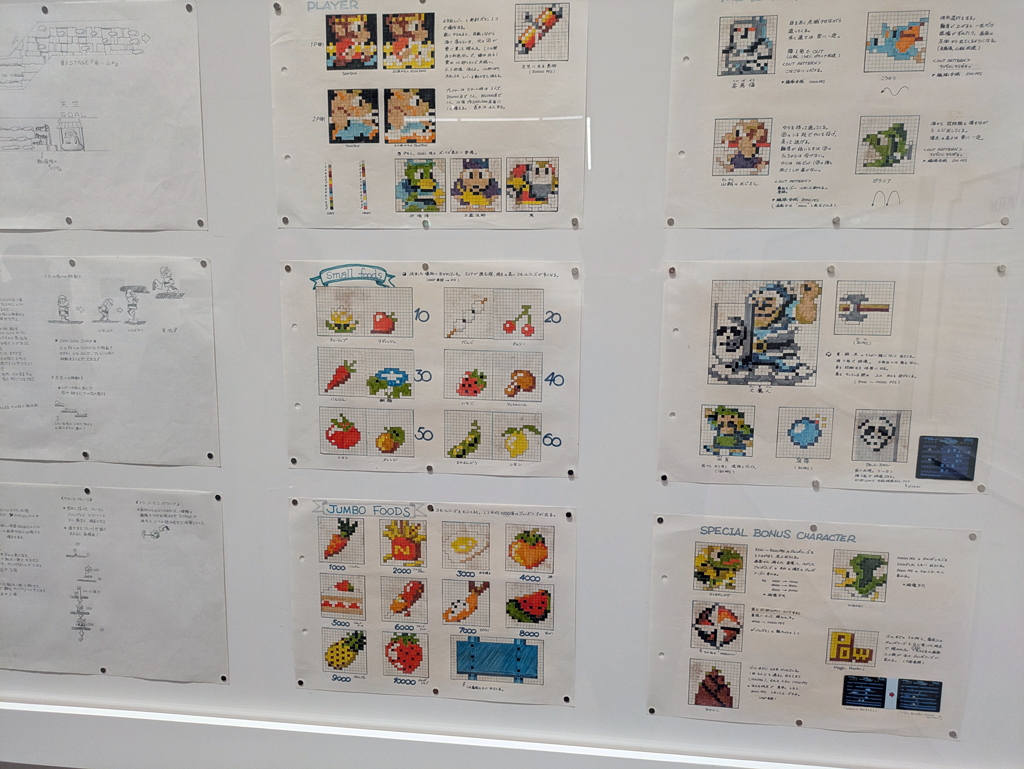
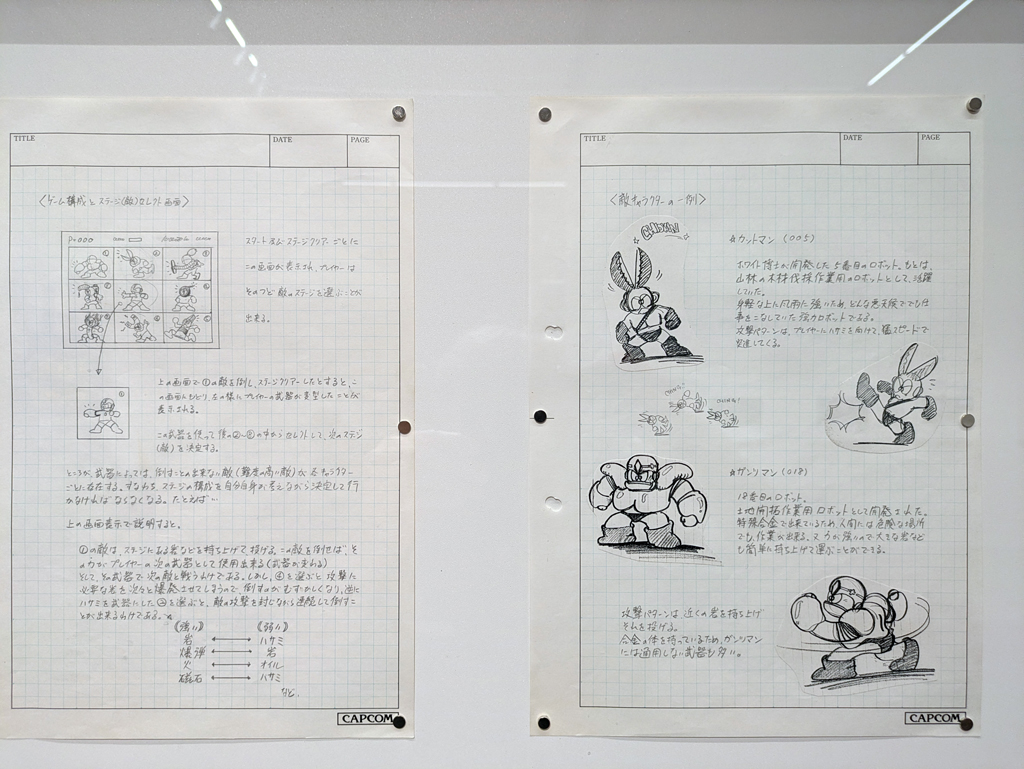
The final round focused on how CAPCOM is passing its creative DNA to the next generation of game developers. Many design documents preserved from older games were on display. Sprite sheets, level designs, animations, and backgrounds from Sonson, Mega Man, Street Fighter II, and Monster Hunter were showcased.
There were even diagrams from a legendary anatomy drawing manual which has trained many Capcom designers!
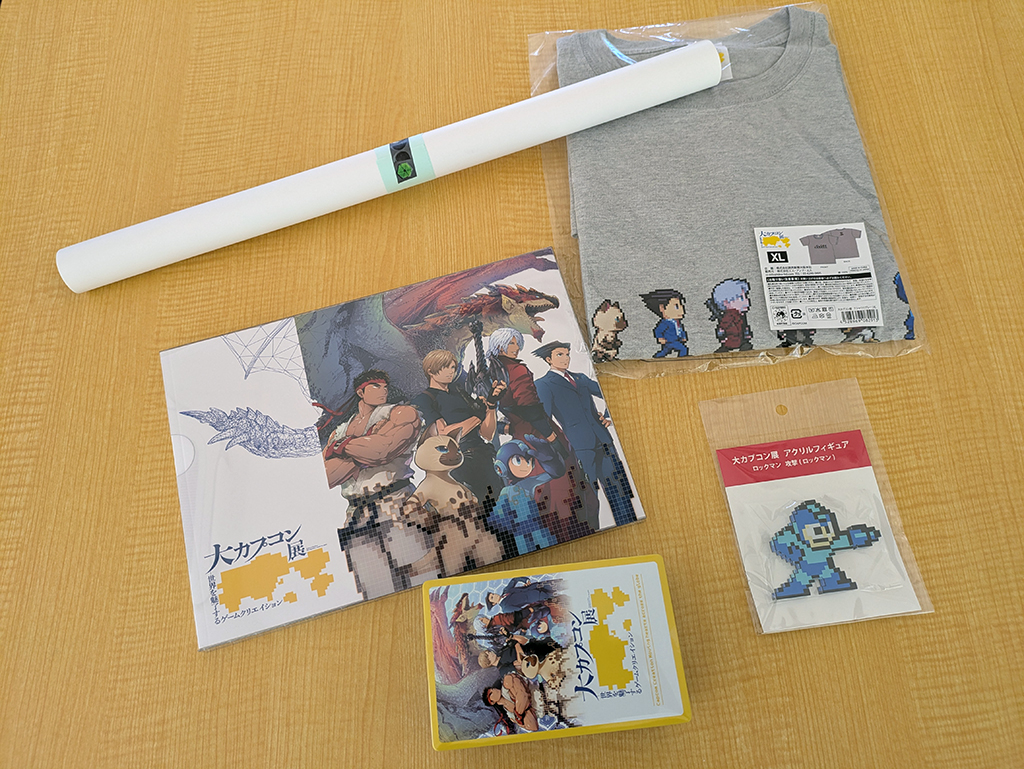
There was also a small gift shop and, needless to say, we left with a bag full of goodies which are now decorating the office.
We encourage everyone interested in game development or video games to visit the Dai Capcom Ten exhibition, as it is very informative and showcases copies of incredibly rare documents and pictures.
